Language:
English
Español
Русский
+31626174430
info@translog.agency
Toggle navigation
Home
Services
Surveys
Blog
Contacts
Surveys
Home
Surveys
Перевозки и транспортировка
Специализированные виды грузов
Логистика и операции
Технологии и программное обеспечение
Обучение и нормативы
How Do You Implement TMS and WMS?
What Competencies Really Matter in Logistics Today?
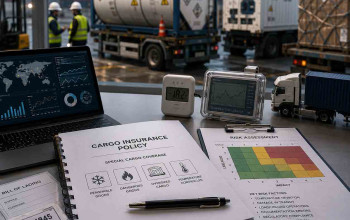
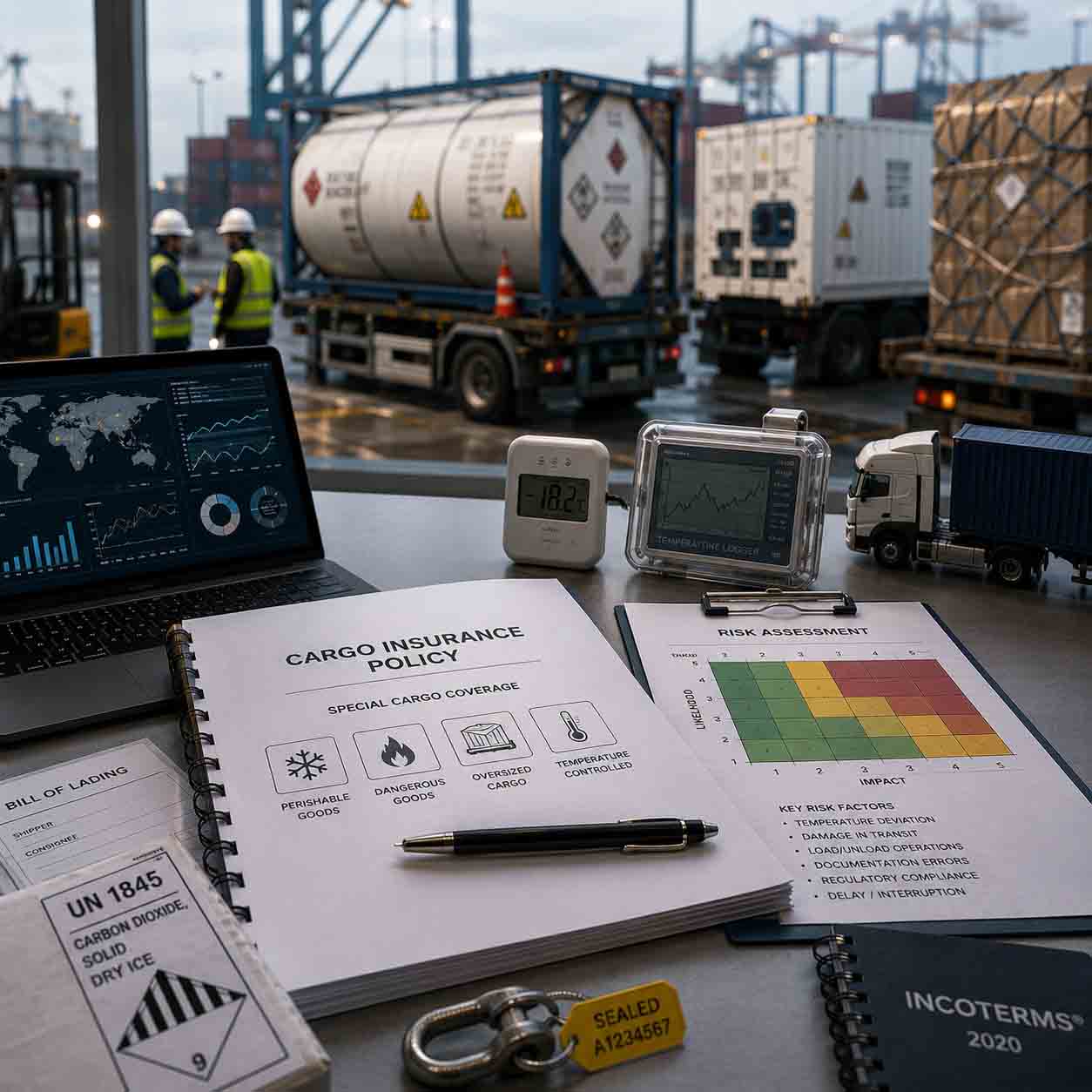
How Do You Manage Risks and Insurance?
How Are You Implementing Warehouse Automation?
How do you use technology?
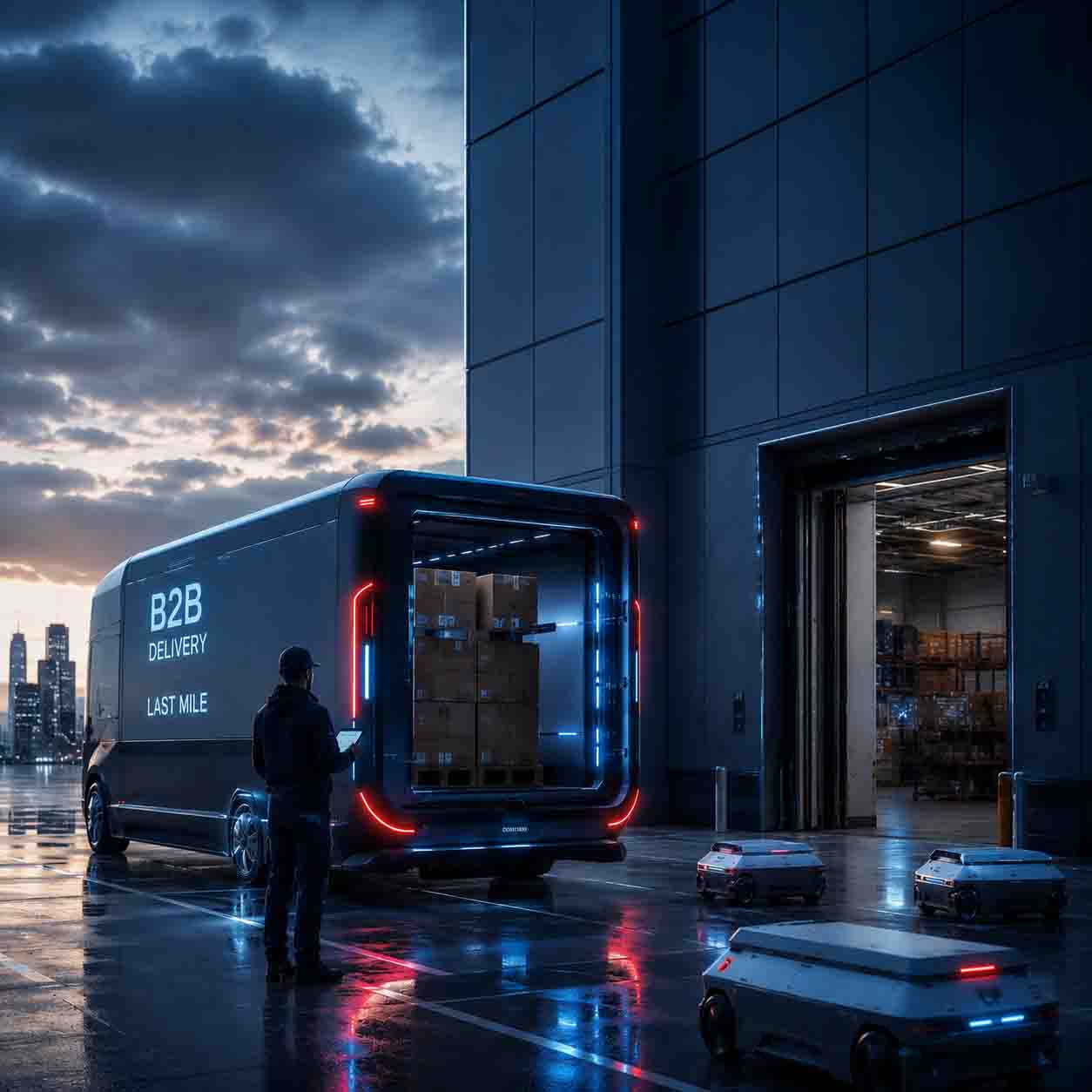
How Do You Manage Last-Mile Operations?
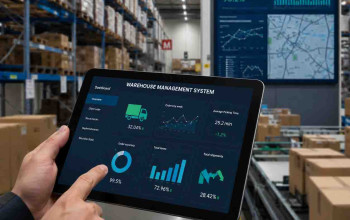
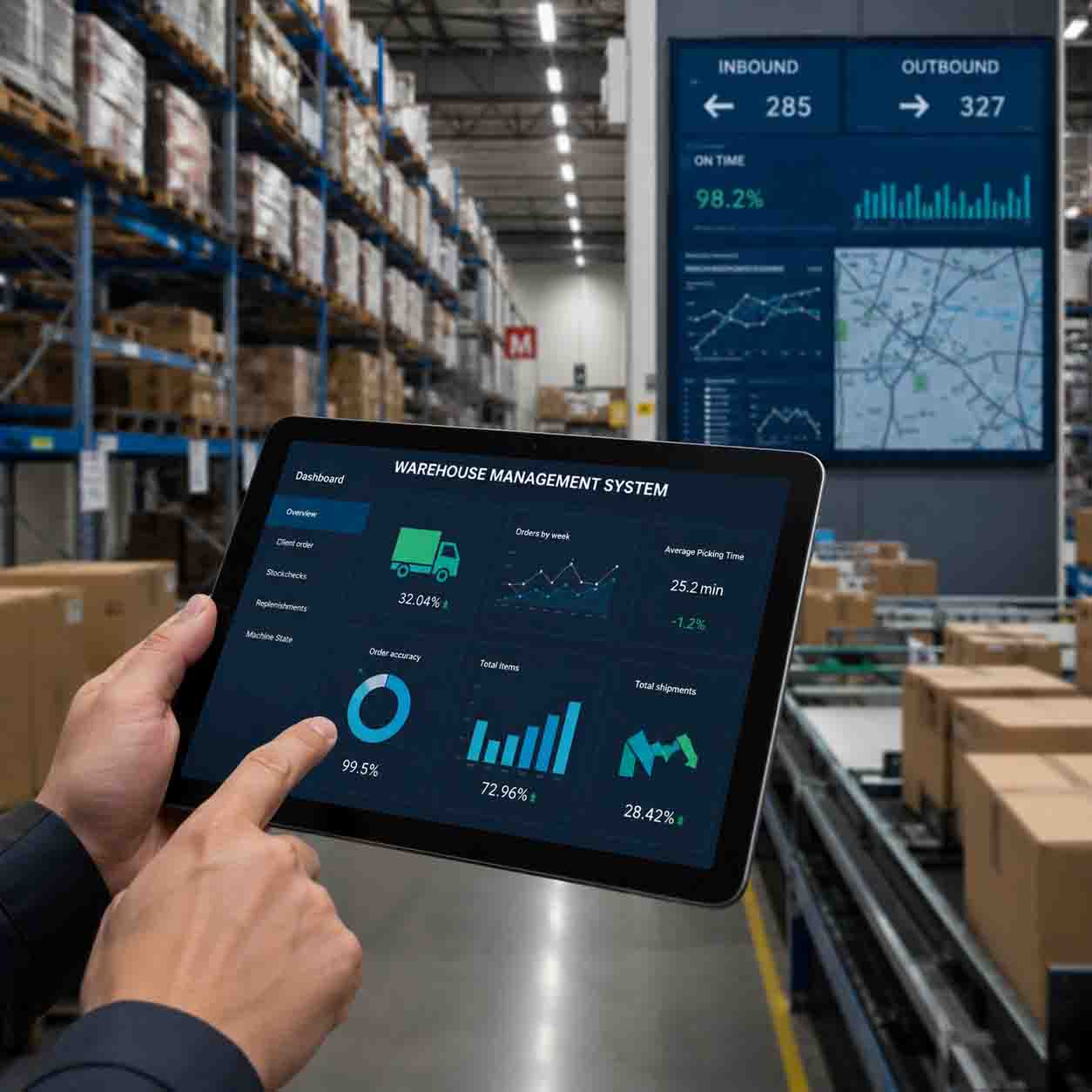
How Do You Manage Your Warehouse?
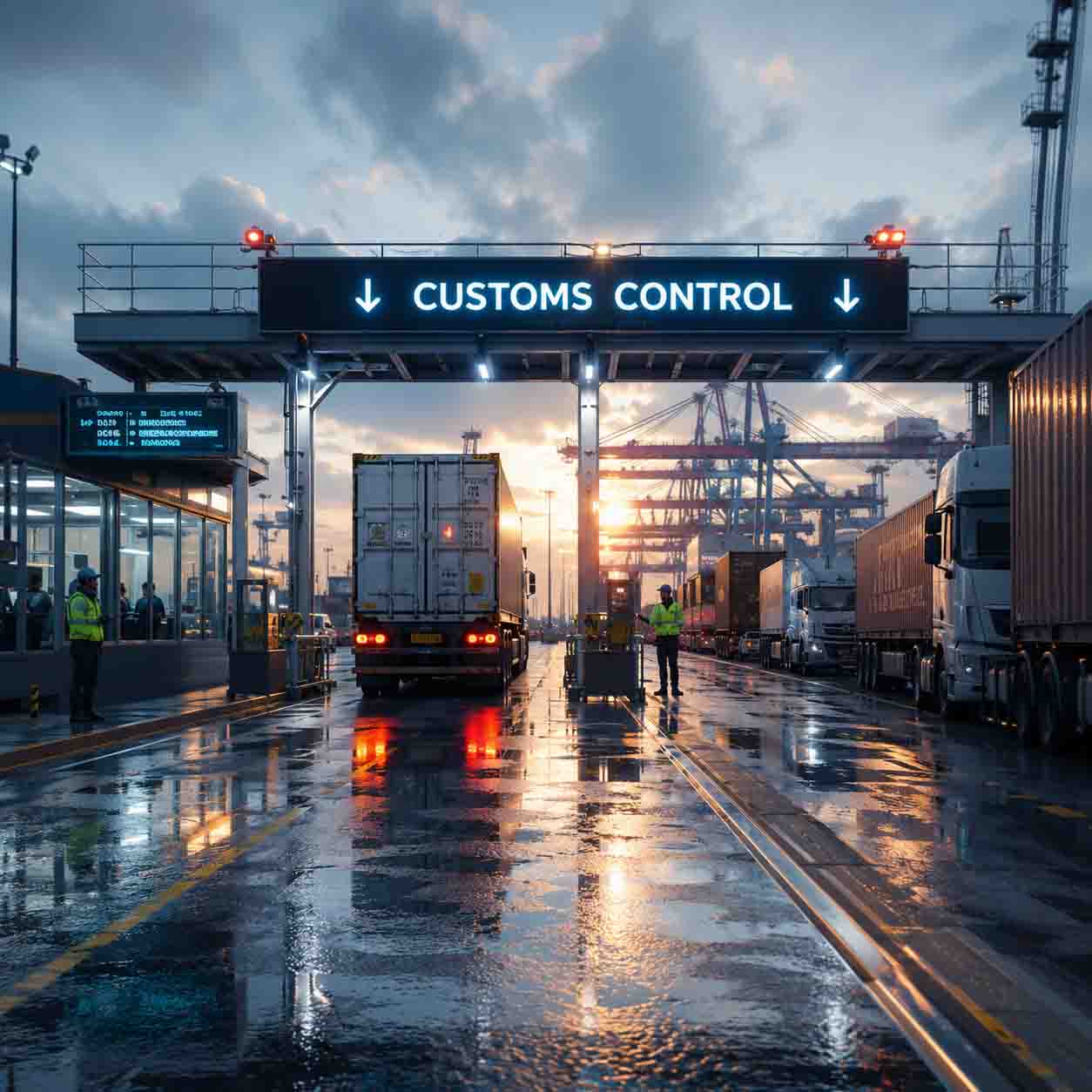
How do you manage customs processes?
How do you manage logistics?
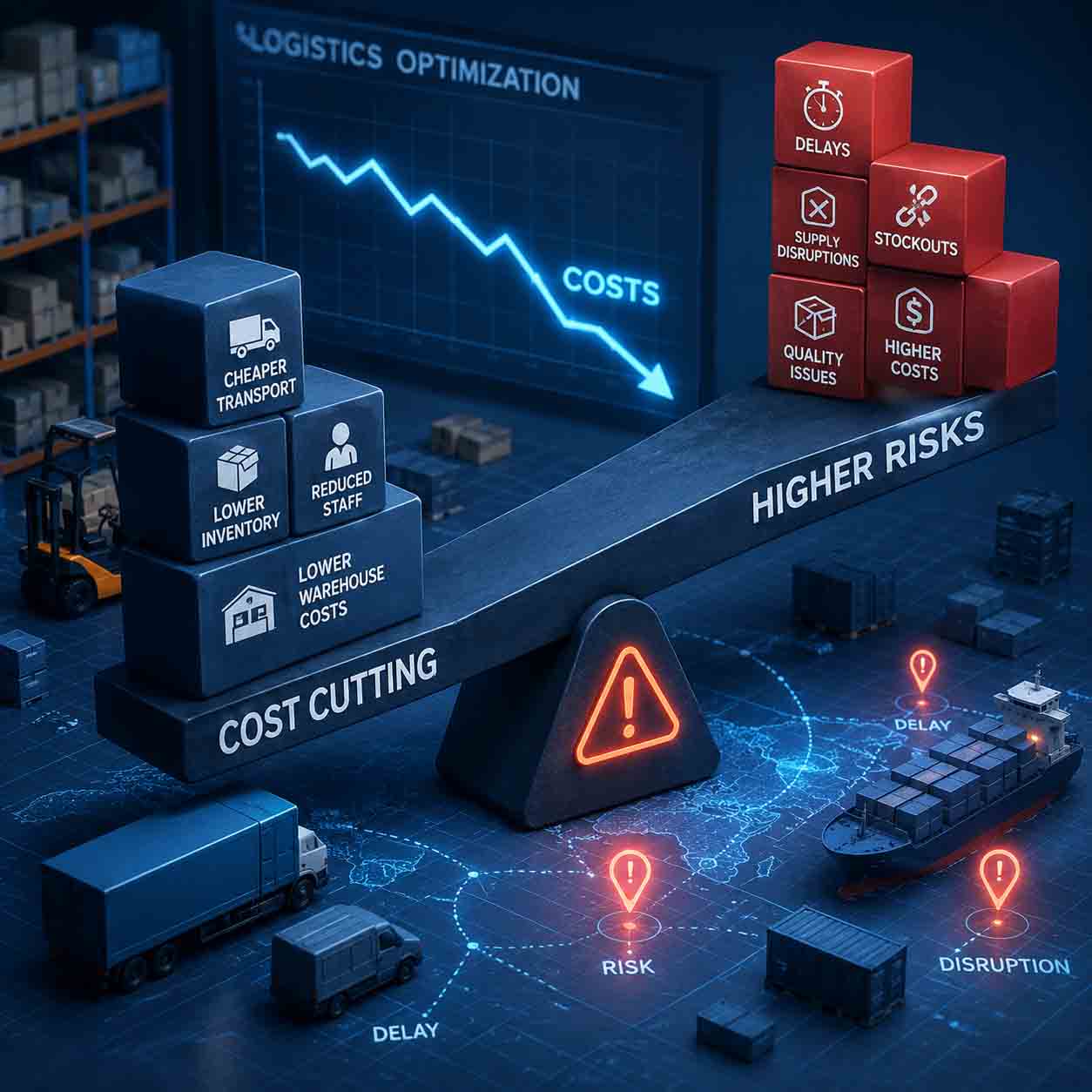
How Do You Optimize Logistics?
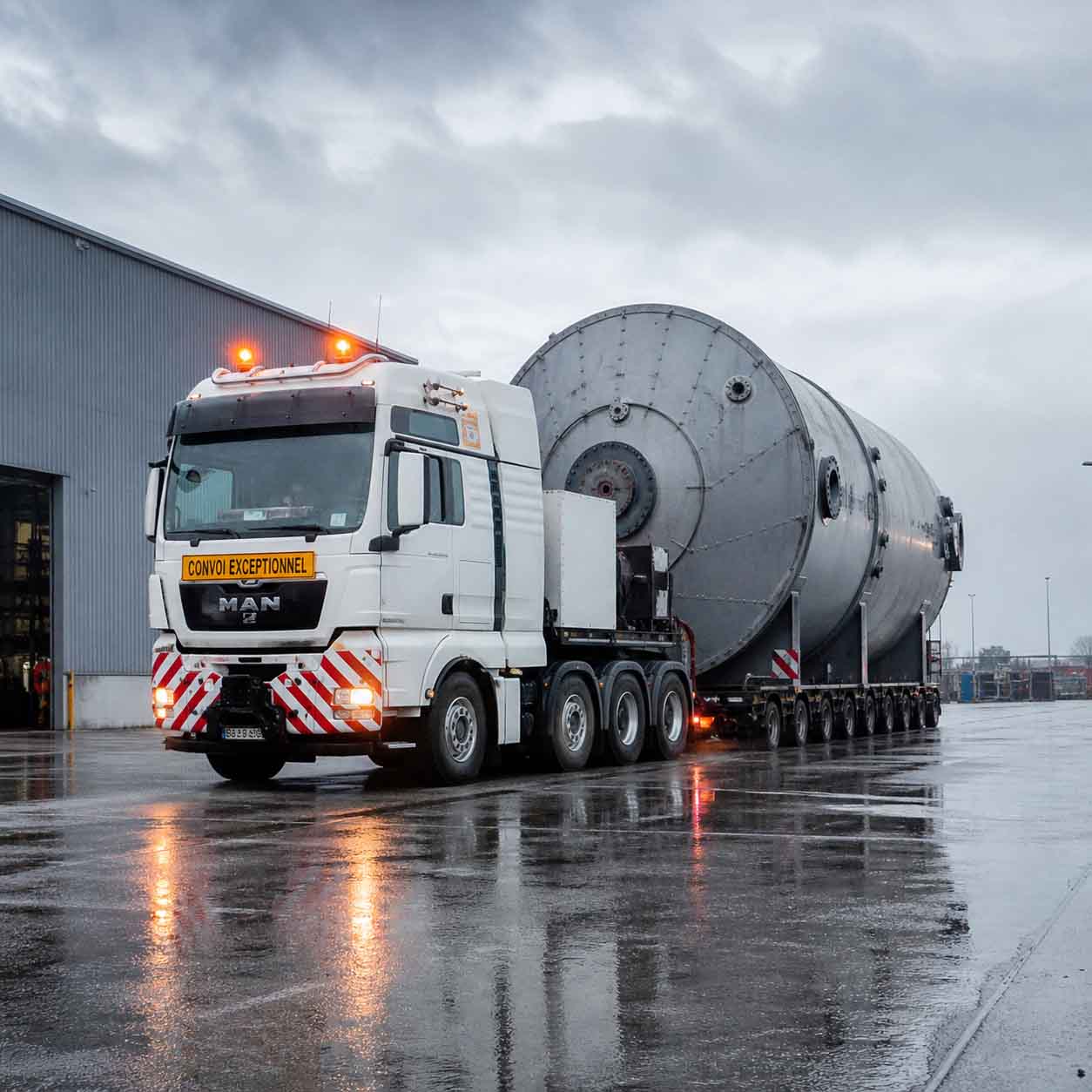
How do you manage oversized cargo?
How does compliance affect your business?
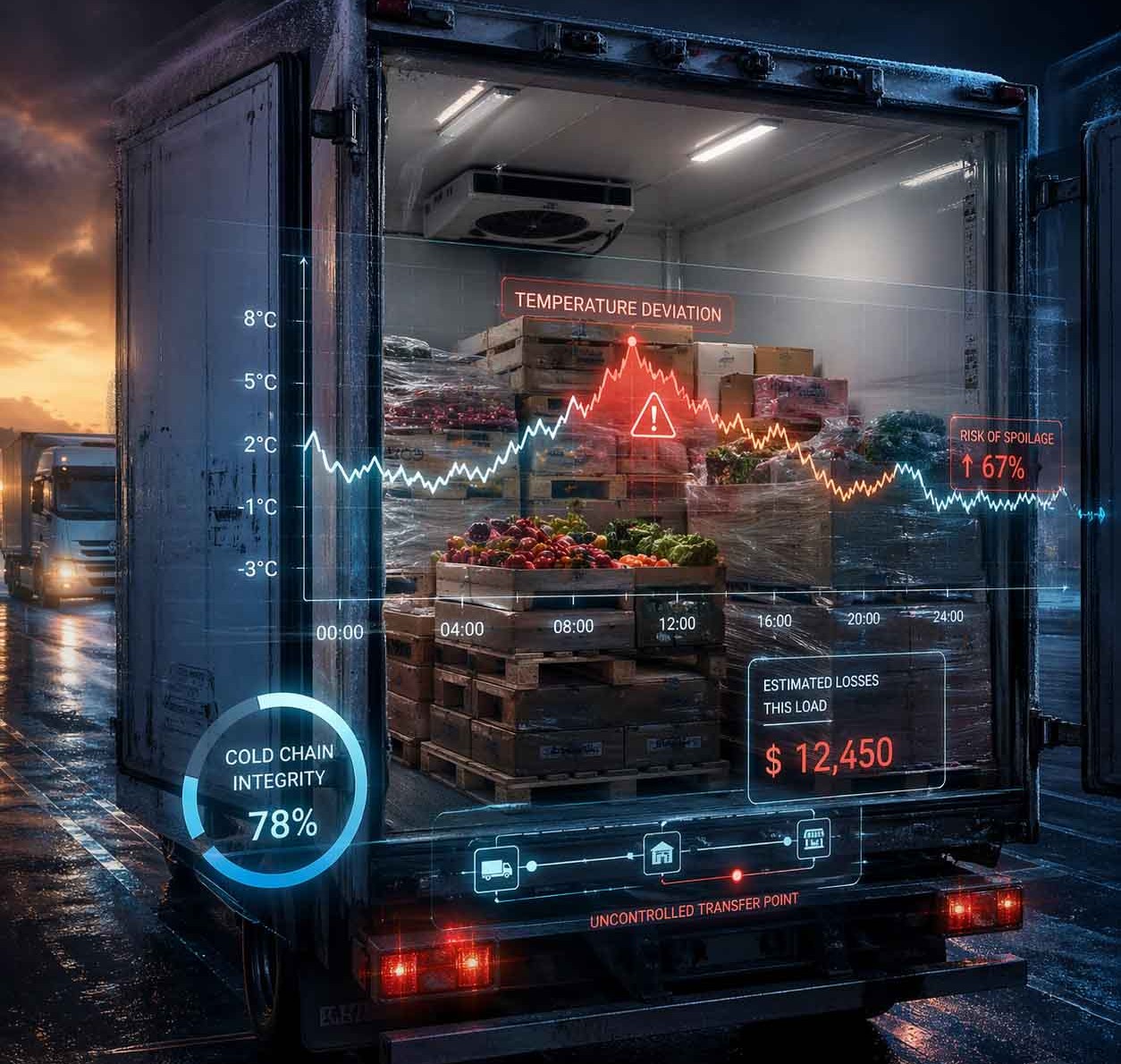
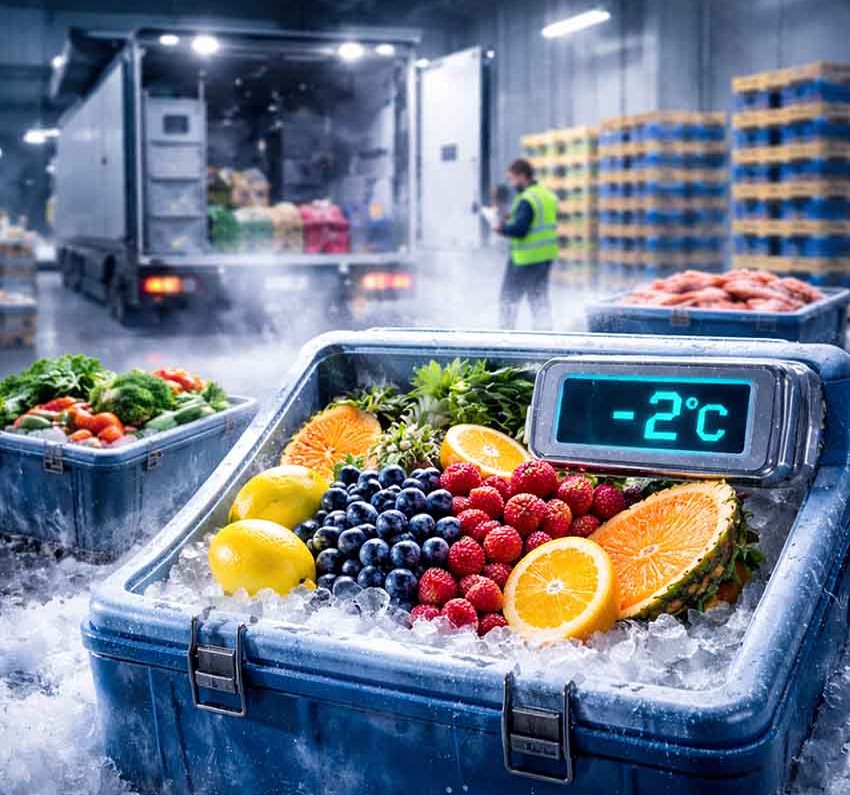
How do you manage the temperature chain?
How do you handle perishable goods?
Do you use charter transportation?
Do you use multimodal transportation?
How does congestion affect your logistics?
How do you choose the type of transportation?
What is more important when choosing a type of transportation?
What % of your cargo was lost due to downtime?
Do you train your drivers to save money?
Controversy and evidence in modern logistics
Have you tried digital marketplaces yet?
Automation of customs clearance
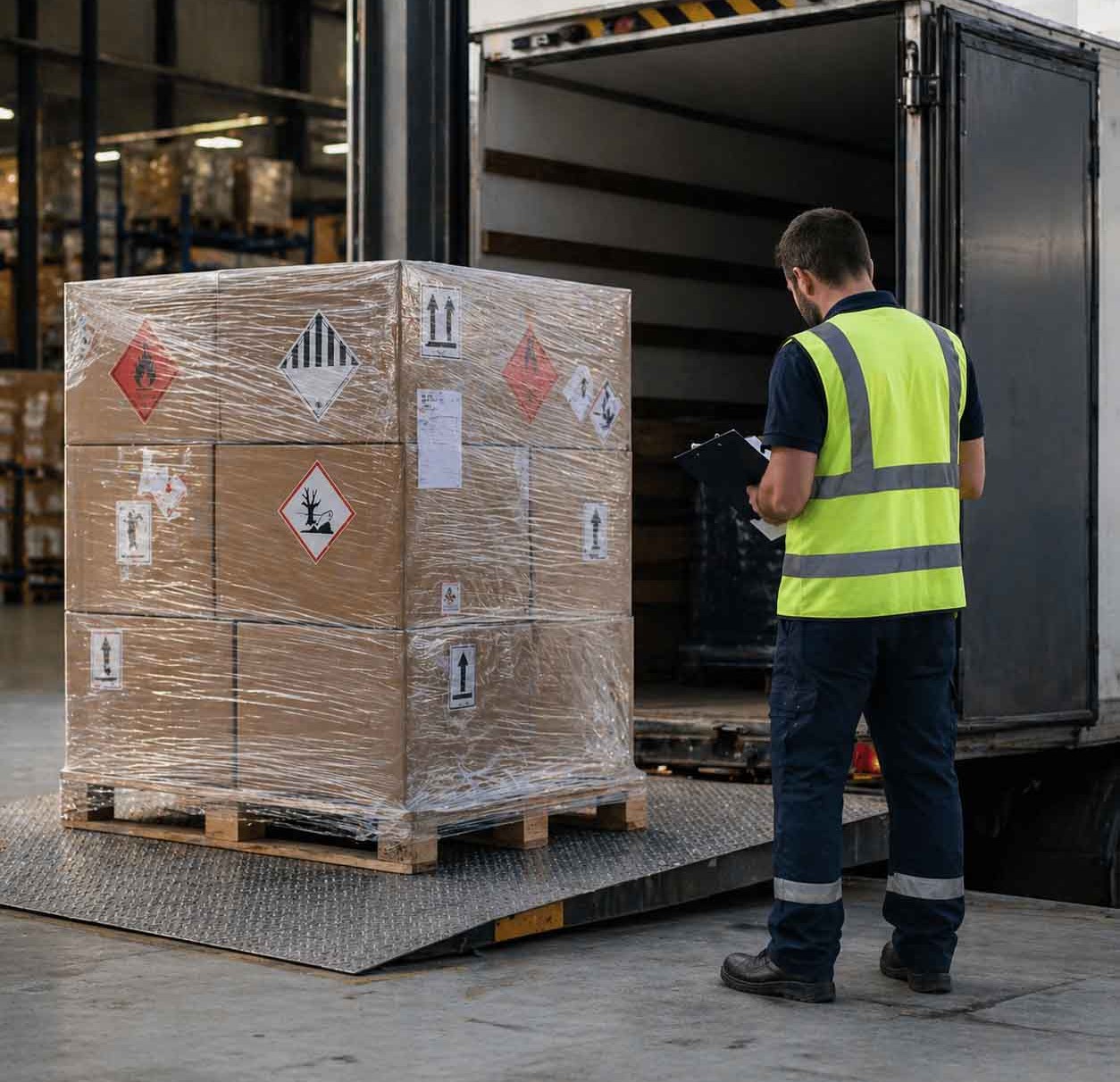
Control and risks in the transportation of dangerous goods
The role of charter flights in modern logistics
Have you implemented a CRM or is it just in your plans?
Do you consider a warehouse more IT or more concrete?
Would you trust your project only to a local company?
Your experience and perspective on railways in Central Asia
Copyrights © 2026 All Rights Reserved by ООО ALTERNATIVE SOLUTIONS PRO